


I don’t know about you, but I found it quite shocking and a little disappointing watching the unsportsmanlike behaviour in the World Cup final on Sunday. The bar-like brawls, the turning of backs during the award ceremony, and the dismissal of the winning opponents by players and coaching staff alike.
I won’t pretend to know what really went down and who said what to who. I’m sure the spark for this erupting fire was struck long before the match even started. But what I do know is that what I saw was a shared code of sportsmanship breaking down. And when that happens, chaos breaks loose.
Just like in sports, shared codes are crucial in the workplace. They are paramount for workplace safety, business efficiency, leadership effectiveness, long-term client relationships, talent retention, and team performance. When a company’s code is illustrated but not activated, workplaces become inefficient, troubled, even toxic.
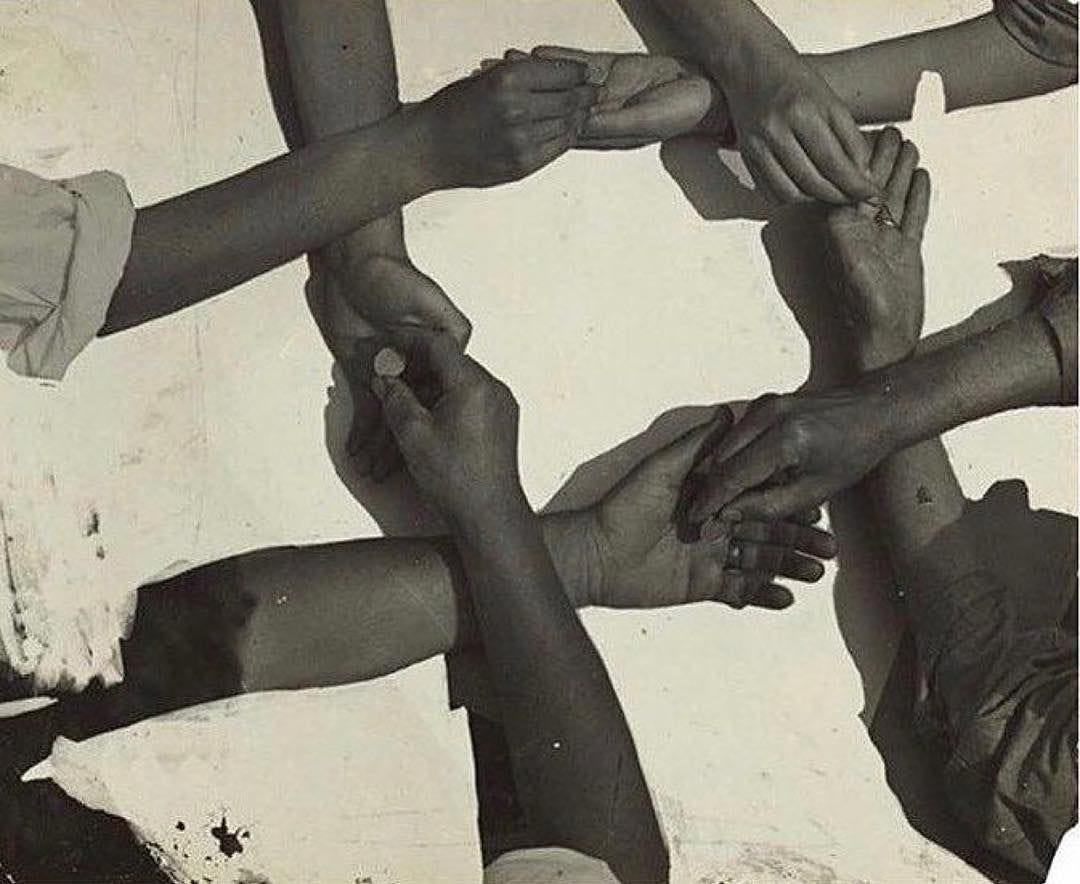
When values are nouns, not verbs
Most companies have a set of principles or values that they share on their website, employee handbook, or maybe even on their walls. But they often stop there and get forgotten about.
Take a company that seeks to hold the shared values of integrity and fairness. Then picture one of its teams winning a client by overpromising in the pitch, and leaving the account manager to clean up the fallout for the next two years. Or one of its talented employees quitting because their manager kept taking credit for their work, and nobody in the room ever said anything. These are company values that are nouns, not verbs. In other words, the values are in the handbook, but nobody’s shown people how to put them into practice, or why it matters.
What happens when the code is active
In an ideal world, leaders would exemplify the shared values every day, new employees would get time and mentorship on how to live them, and team members would hold each other accountable to them.
Take a new hire in their first month. They will learn far more from watching how their team handles a dropped ball or a missed target than from anything written in the onboarding deck. If the shared code says one thing and the senior team does another, the deck loses.
Not only do activated shared values build bonds, morale, and a sense of collective purpose, they create stability, safety and sustainability. When honoured, shared codes build clarity and flow. People default to behaviours aligned with the code instead of reinventing the wheel every time, or second-guessing how to handle a situation.
Going back to Sunday
Which is what made the finale of the World Cup a bit shocking to watch. For me, it was a reminder that a shared code must be remembered and practiced, long before the moment that tests it. The pressure of a final, a bad quarter, or a lost deal is exactly when it’s most tempting to drop it.
The teams that have walked off finals with their heads held high, win or lose, built that ability long before kickoff. Workplaces don’t get a trophy ceremony to make that visible, but the test is the same one and how we show up to it can have long-lasting effects.
Amelia Kruse is the founder of Sageform, a conscious leadership studio, and creator of the Sageform Method°, a framework for creatives, leaders, and founders ready to lead from the inside out. You can learn more about working together here.